 Save
Save Last spring, my neighbor dropped off a bundle of violets from her garden wrapped in damp paper towels, and I stood there holding them like they were made of spun glass. That's when it hit me that I'd been making cakes the same vanilla way for years without ever thinking about what could make them feel like a season itself. This cake became my answer—delicate, elegant, and honestly not as fussy as it sounds once you understand the rhythm of it.
I brought this to a baby shower two springs ago, and watching people's faces when they realized the flowers weren't just sitting on top but actually pressed into the frosting made me understand why simple elegance matters. One guest asked if I'd gone to culinary school, which felt funny since I'd spent the night before with my cake and a stack of library books doing the pressing.
Ingredients
- All-purpose flour (2 1/2 cups): This is your cake's structure, and sifting it actually makes a difference by aerating it and breaking up any lumps that got cozy during storage.
- Baking powder (2 1/2 tsp): The gentle lift that keeps this cake tender rather than dense, so don't skip sifting it with the flour.
- Salt (1/2 tsp): A tiny whisper that makes the vanilla taste more like itself, not salty but truer.
- Unsalted butter, softened (1 cup): Room temperature is non-negotiable here because cold butter won't cream properly and warm butter separates, leaving you with a greasy mess.
- Granulated sugar (1 3/4 cups): This dissolves into the butter and creates that light, fluffy base that catches the air and makes the cake tender.
- Eggs, room temperature (4 large): Cold eggs seize up when they hit warm batter and refuse to blend, so pull them out 30 minutes before you start.
- Pure vanilla extract (1 tbsp): The soul of this cake, so use real vanilla not the imitation stuff that tastes like medicine.
- Whole milk, room temperature (1 cup): Alternating it with flour creates a balance that keeps the cake from becoming gummy or dry.
- Heavy whipping cream, cold (2 cups): The colder it is, the faster it whips into clouds, so chill your bowl too if you have time.
- Powdered sugar (1/2 cup): Dissolves instantly into cream and makes frosting stable, unlike granulated which leaves a gritty texture.
- Pressed edible flowers (1/2 to 1 cup): These must be from an organic source with no pesticides, pressed between parchment and books for at least 24 hours until they're papery and completely dry.
Tired of Takeout? 🥡
Get 10 meals you can make faster than delivery arrives. Seriously.
One email. No spam. Unsubscribe anytime.
Instructions
- Prep your pans and heat your oven:
- Set the oven to 350°F and grease two 8-inch pans with butter, then line the bottoms with parchment paper so the cakes slide out without sticking or tearing. This small step saves so much frustration.
- Combine your dry ingredients:
- Sift the flour, baking powder, and salt into a bowl three times if you're feeling fancy, but at minimum once to break up any clumps and introduce air. Set this aside and forget about it for now.
- Cream butter and sugar until it's pale and fluffy:
- Beat them together for 3 to 4 minutes until the mixture looks like fluffy clouds and the butter has dissolved into the sugar, lightening its color noticeably. This creaming process is where the cake gets its tender crumb.
- Add eggs one at a time with patience:
- Drop each egg in and beat until it disappears completely before adding the next one, which takes about 30 seconds per egg. Finish with the vanilla extract and mix until it's evenly distributed.
- Alternate flour and milk in three additions:
- Start with a third of the flour mixture, beat until just combined, then add half the milk, then another third of flour, then the rest of the milk, then the final flour. This method keeps you from overmixing, which would make the cake tough instead of tender.
- Divide batter and smooth the tops:
- Pour the batter equally between the two pans and run a spatula across the tops to smooth them even. They'll bake more evenly and rise more uniformly.
- Bake until a toothpick comes out clean:
- Bake for 30 to 35 minutes, checking around the 30-minute mark with a toothpick inserted in the center. It should come out clean or with just a few moist crumbs, not wet batter.
- Cool in pans, then on racks:
- Let them sit in their pans for 10 minutes so they set enough to handle, then flip them onto wire racks to cool completely. This takes about an hour, which is the perfect time to make your frosting.
- Whip cream into clouds:
- Pour cold heavy cream into a chilled bowl, add powdered sugar and vanilla, and beat until stiff peaks form when you lift the beaters. You'll feel the moment the cream goes from liquid to clouds, usually around 2 to 3 minutes.
- Layer and frost the cake:
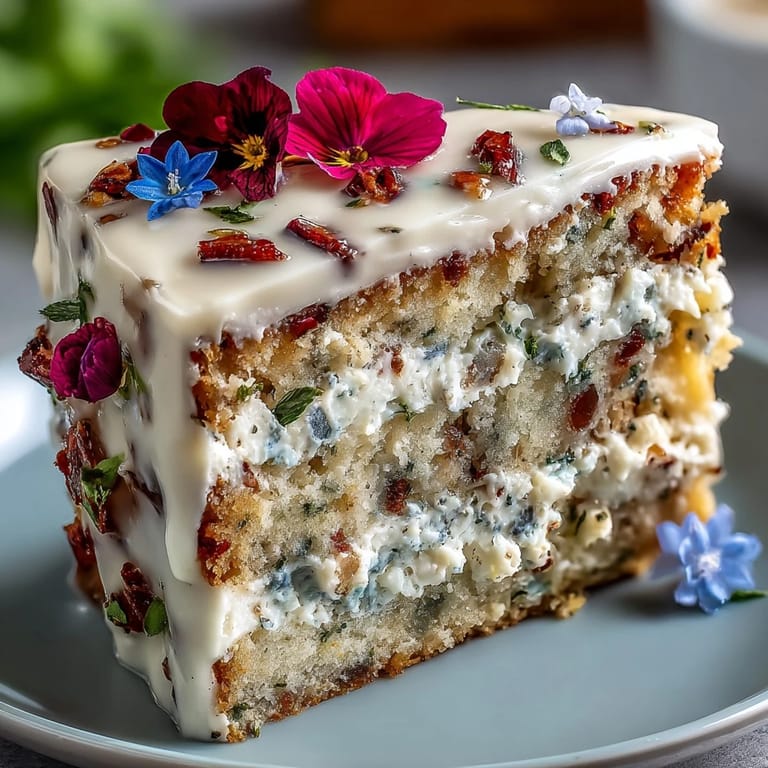
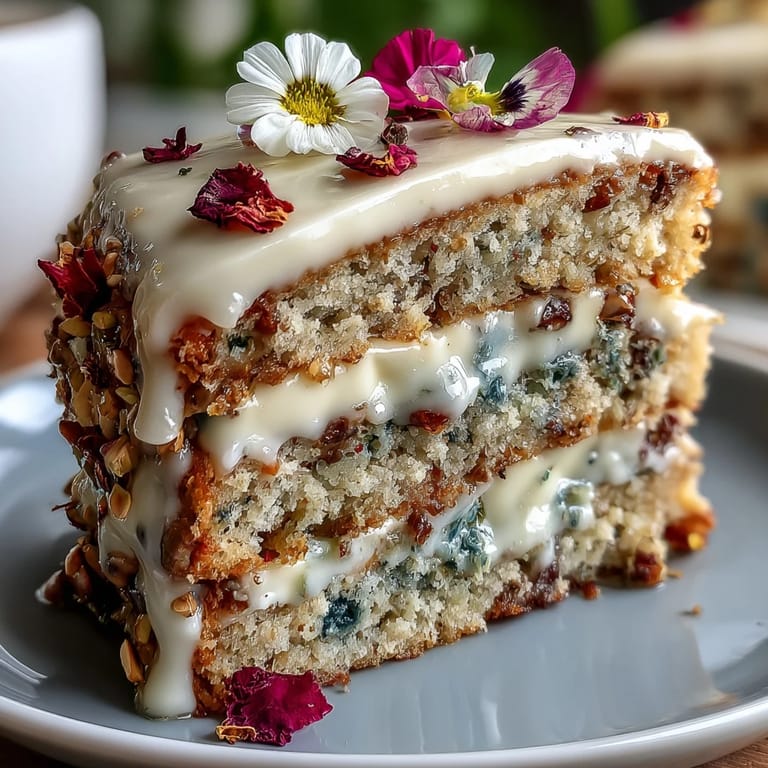
- Place the first cooled layer on your serving plate, spread a generous layer of whipped cream on top, then place the second layer on top and frost the entire outside with the remaining whipped cream. Use an offset spatula or regular knife dipped in warm water for smooth frosting.
- Press flowers onto frosting:
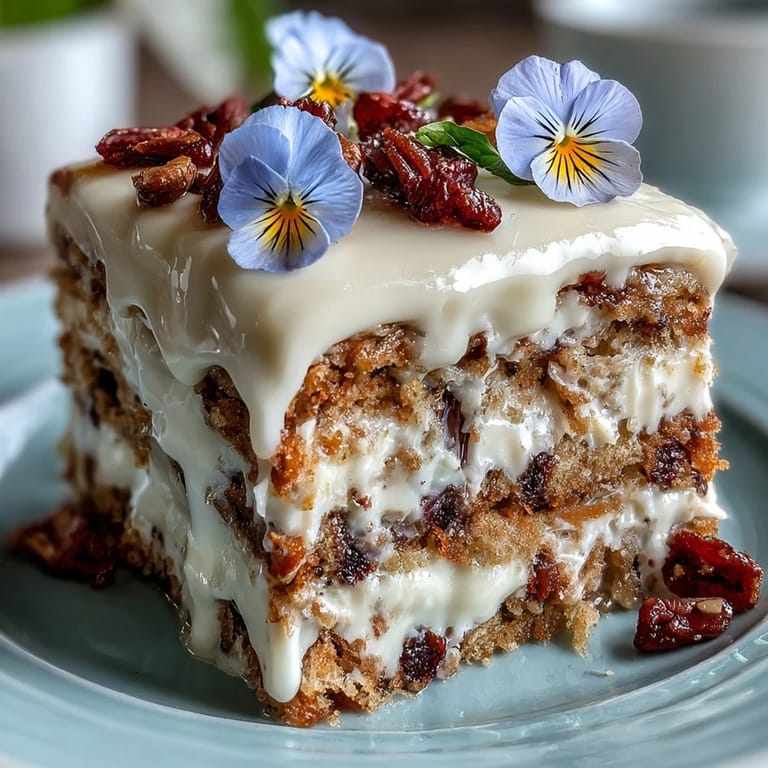
- Gently press the pressed edible flowers onto the sides and top of the cake, arranging them in a pattern that feels natural to you. Add fresh mint leaves if you want a pop of green.
- Chill before serving:
- Refrigerate the cake for at least 30 minutes so the frosting sets and the flowers adhere properly. This also keeps the cake fresh and prevents the flowers from sliding off.
 Save
Save My daughter helped decorate one of these for her school potluck, carefully placing each flower like she was arranging a tiny garden, and for once she was more interested in the process than rushing to taste it. That's when I realized this cake isn't just a dessert—it's an excuse to slow down and create something that feels intentional.
Choosing Your Flowers
Not every flower you see in a garden or flower shop is safe to eat, and this matters deeply because you're putting them directly on food that people will ingest. Violets, pansies, nasturtiums, rose petals, and chamomile are your safest bets, but they must come from plants grown without pesticides, fungicides, or any chemicals. I learned this the hard way by almost using flowers from a florist bouquet that turned out to be treated with dyes, so now I either grow my own or ask my neighbors directly about their gardening habits.
The Art of Pressing Flowers
Pressed flowers are not optional texture—they're what transform this from a pretty cake to an elegant one, and the process is simpler than you'd think. Place each flower between parchment paper or in the pages of a book, add weight on top, and leave it untouched for at least 24 hours until the flowers are completely papery and dry. I use old library books and stack them on top, which feels both practical and charming, and the flowers emerge looking like tiny pressed memories ready to decorate.
Storage and Serving Tips
This cake lives in the refrigerator because the whipped cream frosting needs cool temperatures to stay fluffy and hold its shape, and the pressed flowers stay more vibrant when kept chilled. It keeps for about two days before the flowers start to soften and the frosting begins to weep, so timing your baking for the day before or the morning of serving works best. For a citrusy twist that brightens the vanilla, add 1 to 2 teaspoons of lemon zest to the batter, and pair the cake with light sparkling wine or a delicate floral tea.
- Transport the cake in a cake box rather than a cake carrier to protect those beautiful pressed flowers from smudging.
- If the frosting cracks slightly while frosting, just keep going—the flowers will cover any imperfections you're worried about.
- Slice the cake with a hot wet knife, wiping it clean between cuts to keep the frosting from dragging.
 Save
Save This cake taught me that elegance doesn't require complicated techniques or rare ingredients, just attention and intention. Make it once and you'll find yourself pressing flowers all spring, looking for reasons to bake another.
Recipe FAQs
- → How do I press edible flowers properly?
Place flowers between parchment paper and press under heavy books for at least 24 hours to ensure they are flat and dry.
- → Can I substitute whole milk with a dairy alternative?
Yes, unsweetened plant-based milks like almond or oat milk can be used, but it may slightly affect texture.
- → What is the best way to achieve stiff peaks in whipped cream?
Chill the mixing bowl and beat cold heavy cream with powdered sugar and vanilla extract until firm peaks form.
- → How long should the cake chill before serving?
Chill for at least 30 minutes to allow the whipped cream frosting and flowers to set firmly.
- → Can I add flavor variations to the cake batter?
Yes, adding 1–2 tsp of lemon zest introduces a pleasant citrus note complementing the vanilla.