 Save
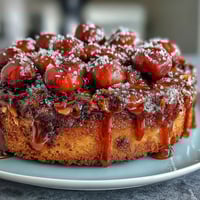
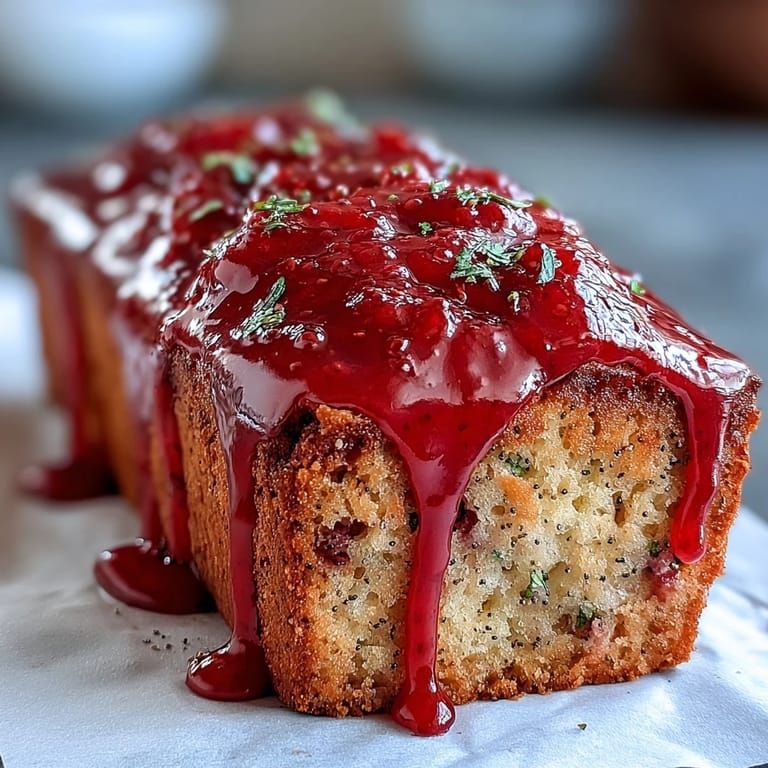
Save One winter morning, I sliced into a loaf that glowed ruby under the kitchen light, and I knew I'd stumbled onto something worth repeating. Blood oranges had been sitting in a bowl for days, their crimson flesh practically begging to be baked into something unexpected. I folded in grated marzipan on a whim, and the whole house filled with almond and citrus warmth. The poppy seeds added tiny bursts of texture that made every bite interesting. It became the cake I bake when I want to impress without saying so.
I first made this for a brunch with friends who claimed they didn't like fruit in desserts. They went quiet after the first bite, then asked for the recipe before they left. One of them texted me later that week saying she'd made it twice already. I realized then that this cake has a way of converting skeptics. It's become my go-to when I want something that feels special but doesn't require fussy techniques.
Ingredients
- All-purpose flour: The foundation of the cake, providing structure without weighing it down, measure it by spooning into the cup and leveling off for accuracy.
- Baking powder: Gives the loaf its tender lift, always check the expiration date because old leavening can flatten your results.
- Salt: Balances the sweetness and brightens the citrus notes, never skip it even in desserts.
- Poppy seeds: Add a gentle crunch and a whisper of nuttiness, toast them lightly in a dry pan if you want to deepen their flavor.
- Unsalted butter: Creaming it with sugar creates air pockets that make the crumb soft, let it come to room temperature so it blends smoothly.
- Granulated sugar: Sweetens and helps build structure, the blood orange zest releases its oils into the sugar as you cream them together.
- Blood orange zest: This is where the magic lives, use a microplane to avoid the bitter white pith and capture only the fragrant oils.
- Eggs: Bind everything together and add richness, room temperature eggs incorporate more easily and create a smoother batter.
- Marzipan: Grate it on the large holes of a box grater so it melts into the batter, creating pockets of almond sweetness throughout.
- Blood orange juice: Freshly squeezed is essential, the tartness cuts through the sugar and gives the cake its signature flavor.
- Whole milk: Adds moisture and a creamy texture, you can substitute with oat milk if needed but the richness will be lighter.
- Vanilla extract: Rounds out the citrus and almond without competing, pure extract tastes noticeably better than imitation.
- Powdered sugar: Forms a smooth glaze that sets with a slight sheen, sift it if it's clumpy to avoid lumps in your icing.
Tired of Takeout? 🥡
Get 10 meals you can make faster than delivery arrives. Seriously.
One email. No spam. Unsubscribe anytime.
Instructions
- Prepare the Pan:
- Preheat your oven to 175°C and line your loaf pan with parchment paper, letting it overhang on the sides for easy lifting later. A quick swipe of butter under the parchment keeps it from sliding around.
- Mix the Dry Ingredients:
- Whisk together the flour, baking powder, salt, and poppy seeds in a medium bowl until evenly combined. This ensures the leavening and seeds are distributed throughout the batter.
- Cream Butter and Sugar:
- Beat the softened butter, sugar, and blood orange zest together until the mixture is pale, fluffy, and fragrant, about three minutes. The zest will release its oils into the butter, perfuming the entire cake.
- Add the Eggs:
- Crack in one egg at a time, beating well after each addition to build an emulsion that holds air. If the mixture looks slightly curdled, don't worry, it will come together when you add the flour.
- Fold in the Marzipan:
- Scatter the grated marzipan over the batter and fold it in gently with a spatula. You'll see little flecks of almond paste that will melt into sweet pockets as the cake bakes.
- Combine the Wet Ingredients:
- Stir together the blood orange juice, milk, and vanilla in a small bowl or measuring cup. This blend will add moisture and tang to every bite.
- Alternate Adding Dry and Wet:
- Add a third of the flour mixture, then half the juice mixture, then another third of flour, the remaining juice, and finish with the last of the flour, mixing gently after each addition. Stop as soon as you no longer see streaks of flour to keep the crumb tender.
- Bake the Loaf:
- Pour the batter into the prepared pan, smooth the top with a spatula, and slide it into the oven for 45 to 55 minutes. The top should be golden and a toothpick inserted in the center should come out clean or with just a few moist crumbs.
- Cool Completely:
- Let the cake rest in the pan for ten minutes, then lift it out using the parchment overhang and set it on a wire rack. Cooling completely before glazing prevents the icing from melting into a puddle.
- Glaze and Serve:
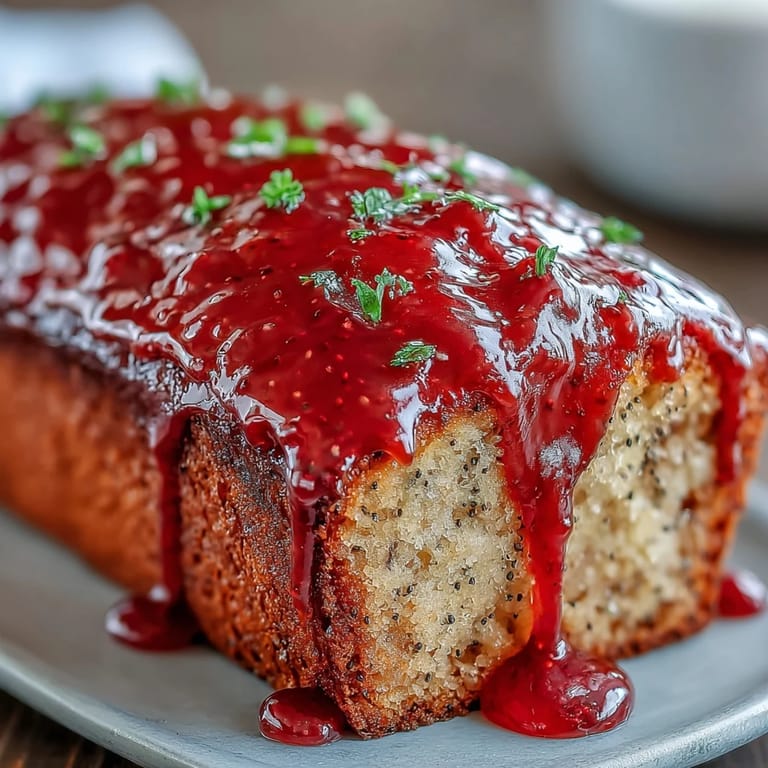
- Whisk powdered sugar with blood orange juice until smooth and pourable, adding juice a little at a time to control the consistency. Drizzle it over the cooled cake and let it set for a few minutes before slicing.
 Save
Save The first time I brought this to a potluck, someone asked if I'd bought it from a bakery. I laughed and said no, but I felt quietly proud the rest of the evening. Later, I found out three people had taken photos of the slice on their plate. That's when I understood this cake has a presence, it announces itself without needing explanation.
Choosing Your Blood Oranges
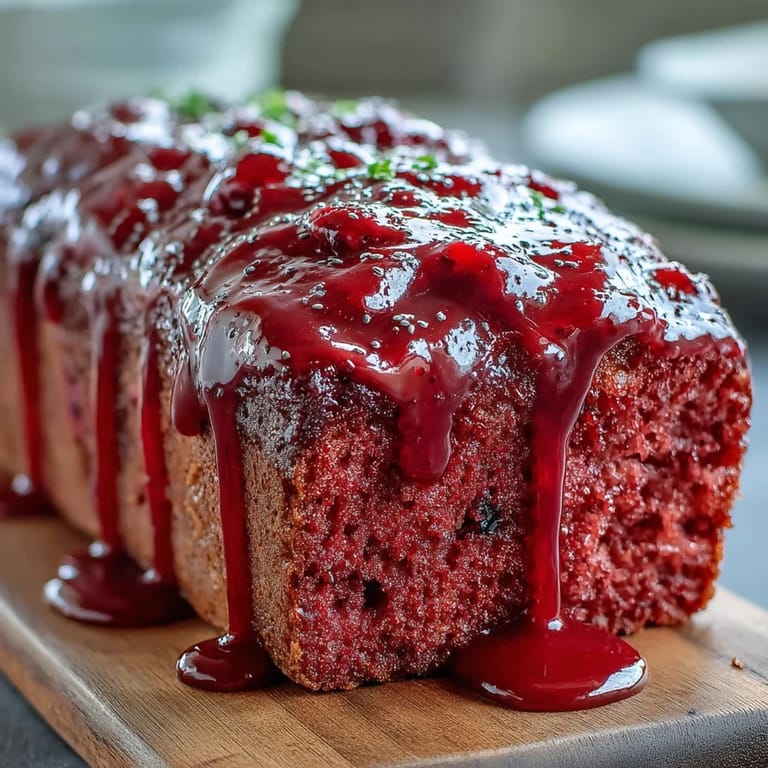
Look for fruit that feels heavy for its size, a sign of juiciness, and avoid any with soft spots or overly firm skin. The deeper the red inside, the more dramatic your cake will look, though even lighter varieties will taste wonderful. I like to buy an extra orange or two in case the juice yield is low. Rolling them firmly on the counter before juicing helps release more liquid. If blood oranges are out of season, regular oranges work too, but you'll lose that jewel-toned crumb.
Storing and Serving Suggestions
This loaf stays moist for up to three days in an airtight container at room temperature, though it rarely lasts that long in my house. The glaze can soften slightly if stored in a humid environment, so I sometimes wait to glaze individual slices instead. It pairs beautifully with Earl Grey tea, the bergamot echoes the citrus, or a glass of chilled Prosecco for something celebratory. Toasting a slice and spreading it with a thin layer of butter is a small luxury I recommend. Leftovers, if you're lucky enough to have them, make an excellent breakfast.
Customizing Your Loaf
A splash of orange liqueur in the glaze adds a grown-up edge that I love for dinner parties. Swapping marzipan for almond paste gives a deeper, less sweet almond flavor, though the texture stays just as tender. You can fold in white chocolate chips for extra indulgence, or swap poppy seeds for finely chopped pistachios for color and crunch. Some people like to brush the warm loaf with a simple syrup made from blood orange juice and sugar before glazing, which makes it even moister. Play with it until it feels like yours.
- Try adding a teaspoon of orange blossom water to the batter for a floral note.
- Dust the finished loaf with extra poppy seeds or candied orange peel for a bakery-style finish.
- Freeze slices wrapped tightly in plastic and foil for up to two months, thaw at room temperature and glaze fresh.
 Save
Save Every time I pull this loaf from the oven, I'm reminded that some recipes just feel right, bright and comforting all at once. I hope it becomes one of those keepers in your kitchen too.
Recipe FAQs
- → Can I use regular oranges instead of blood oranges?
Yes, regular oranges work well, though you'll lose the distinctive ruby color and slightly berry-like flavor. The cake will still be delicious and citrusy.
- → How do I know when the loaf cake is fully baked?
Insert a toothpick into the center—it should come out clean or with just a few moist crumbs. The top should be golden and spring back when lightly pressed.
- → Can I make this cake ahead of time?
Absolutely. This loaf stays moist for 2-3 days when stored in an airtight container at room temperature. The flavors actually deepen after a day.
- → What can I substitute for marzipan?
Almond paste is the closest substitute and provides a deeper almond flavor. You can also use finely ground almonds mixed with a bit of powdered sugar, though the texture will differ slightly.
- → Why is my loaf cake dry?
Overbaking is the most common cause. Check at 45 minutes and avoid overmixing the batter, which can develop too much gluten and create a dense, dry texture.
- → Can I freeze this cake?
Yes, wrap the unglazed cake tightly in plastic wrap and foil, then freeze for up to 3 months. Thaw at room temperature and add the glaze before serving.